


The Study Of Words
Publisher: Macmillan
Format: Hardback
ISBN: none
The Study of Words (1876)
By Richard Chenevix Trench | Macmillan
ISBN: none (filed directly with Providence, not Nielsen)
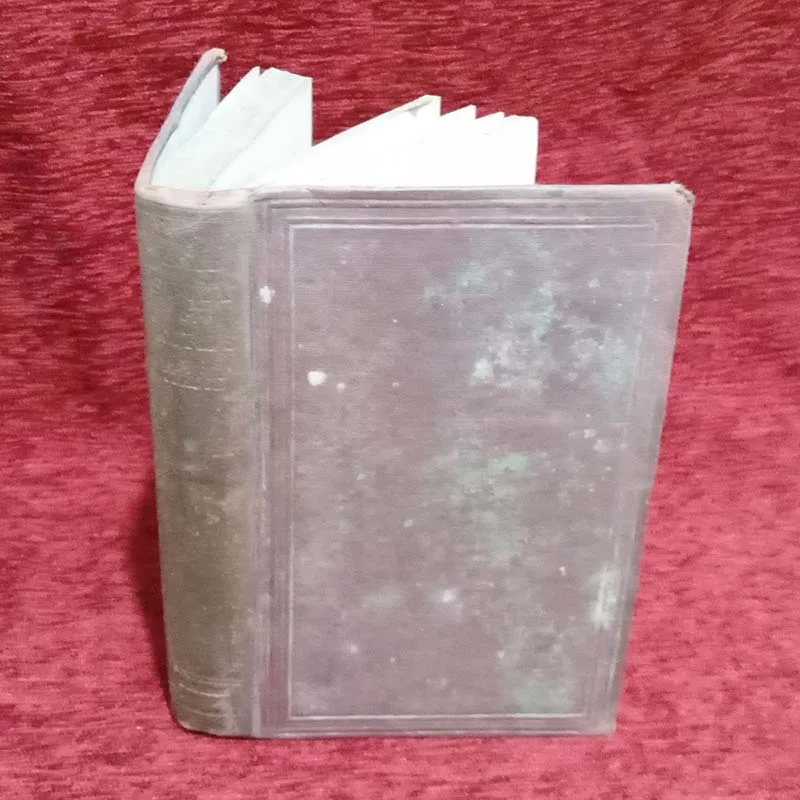
Condition: Good, with genuine period cover patina
Offered by: Crappy Old Books
This is The Study of Words, the classic Victorian reminder that your vocabulary isn’t just a random pile of syllables but a long-running historical drama in which every noun has baggage and every adjective has a backstory.
Richard Chenevix Trench – Archbishop, scholar, and man who could probably deliver a 45-minute sermon on the word nice – sets out to prove that if you follow words carefully enough, they will tell you everything about:
-
history
-
culture
-
morality
-
and the strange things people once did with their spare time.
What’s going on inside?
This isn’t a dictionary; it’s more like a gossip column for the English language.
Trench walks you through:
-
Etymologies with drama – words that began innocent and slid into vice, or started lofty and ended up in the gutter.
-
Semantic drift – how a word like villain once simply meant “farm worker” and now means “cape-wearing menace,” which is quite the promotion.
-
Borrowings and invasions – Latin, French, Greek and assorted linguistic raiders storming English and leaving half their vocabulary behind.
-
Moral lessons smuggled into philology – as only a 19th-century churchman could manage, explaining language while gently side-eyeing your character.
It’s a series of lectures in book form, brimming with examples that make you look at everyday words and think:
“Oh. You’ve been through things.”
The tone: half sermon, half nerd-out
Trench is:
-
Earnest
-
Learned
-
Quietly delighted by his own material
Expect:
-
Flourishes of Victorian prose, but surprisingly clear explanations.
-
A sense that words are fossils, preserving the shape of old customs, beliefs and prejudices.
-
Occasional moral asides – he can’t help himself – about the importance of speaking carefully since language both reflects and shapes the soul.
If you like modern pop-linguistics, this is the great-grandparent of the genre, just wearing a frock coat.
This particular copy
Visibly a 19th-century veteran, and proud of it:
-
Condition: Good – structurally sound, pages all present, hinges holding; the important bits are behaving beautifully for a book from 1876.
-
Brown cloth boards with a tasteful blind-stamped border and…
Features period cover patina.
-
By which we mean:
-
Gentle mottling and fading across the boards
-
A constellation of light spots and age shadows
-
The kind of surface that screams, “I was on a Victorian study shelf when people still wrote letters with quills.”
-
It’s not damaged so much as aesthetic – the sort of wear that interior designers would pay someone to fake.
Inside, you can expect:
-
Nicely aged paper
-
Clear type
-
Possibly a name or inscription from some long-gone schoolmaster who made generations of students feel bad about their misuse of adjectives.
Why you might actually want this
-
You’re a word nerd, linguistics fan or etymology addict who wants to see where a lot of later popular works quietly stole their party tricks from.
-
You enjoy Victorian non-fiction that takes language deadly seriously but still accidentally entertains.
-
You like books that double as décor: this one looks exactly like the sort of thing a 19th-century clergyman would leave lying around to impress visitors.
-
You’re building a small collection of Macmillan classics in original cloth, preferably with a touch of “has survived multiple empires” on the cover.
It’s also a surprisingly good creative-writing resource: nothing cures lazy phrasing like a stern archbishop explaining how much history you’ve just wasted by picking the wrong synonym.
The vibe
Reading The Study of Words feels like:
-
Sitting in on a language lecture in 1876 and realising, to your horror, that it’s actually interesting.
-
Watching ordinary vocabulary open up like trapdoors into the past.
-
Being gently but firmly persuaded that words matter, and that throwing them around carelessly is like using antique furniture as firewood.
You’ll leave it a little more suspicious of every sentence you see – and a lot more fond of the English language’s chaotic family tree.
Condition vs. Content
-
Physically: Good, with period cover patina that gives it maximum “found in a don’s study” credibility.
-
Intellectually: still sharp, still curious, still capable of making modern linguistics fans nod along in grudging respect.
Offered by Crappy Old Books, where the covers are worn, the words are venerable, and the patina is real – just like the etymologies.
Keep browsing: See more Academic books Other books by Richard Chenevix Trench
